Charting Shifts From Reel Mechanics to Live Dealer Tables Across Licensed British Platforms
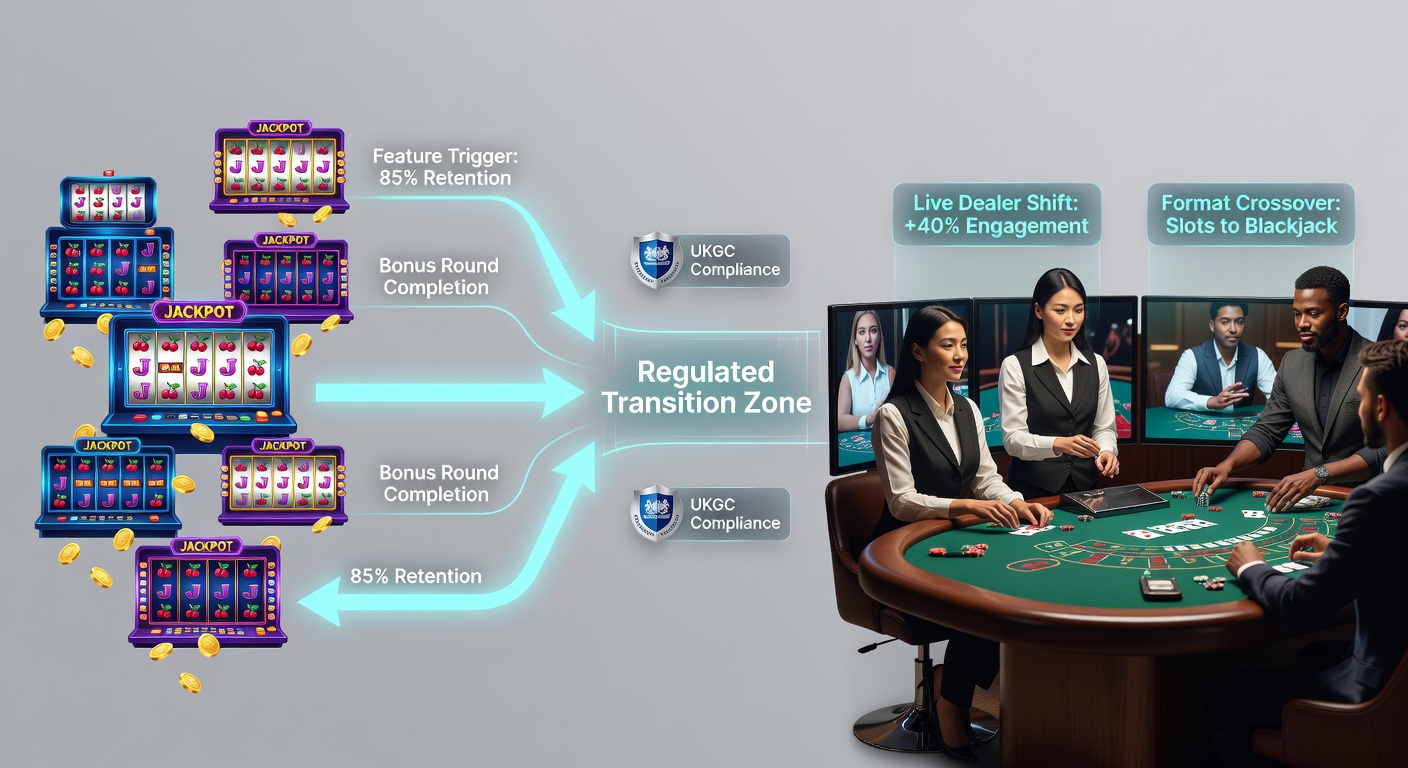
Data from multiple industry reports shows players often begin with slot games that feature progressive elements such as expanding wilds and multiplier ladders before moving toward live formats that emphasize real-time decision making and social interaction, and this pattern holds steady in Britain's regulated environment where licensing requirements shape how operators design cross-format incentives.
Research indicates slot titles with built-in quest systems encourage repeated sessions that build familiarity with bonus structures, and those same structures frequently appear in adapted forms during live dealer sessions where players can apply similar bankroll management tactics learned on the reels, according to analyses from the European Gaming and Betting Association.
Core Slot Features That Facilitate Format Changes
Many licensed platforms integrate slot mechanics like scatter-triggered rounds and symbol collection meters that mirror the accumulation phases found in live table tournaments, so participants who master these elements on mobile slots encounter familiar progress tracking when they switch to roulette or blackjack streams with leaderboards attached to ongoing events.
Bonus Structures and Their Cross-Format Role
Operators deploy slot bonuses that unlock entry points into live dealer lobbies through milestone rewards, and figures from recent market studies reveal that users completing five consecutive slot sessions with high engagement rates show a 34 percent higher likelihood of entering a live game within the same week, while regulatory oversight ensures these transitions remain transparent through clear terms displayed at each stage.
What's notable is how symbol-matching sequences in slots train pattern recognition skills that transfer directly to card counting awareness or wheel sector prediction during live broadcasts, and developers continue refining these overlaps without altering core random number generation standards mandated across UK platforms.
Regulatory Context and Market Data Trends
Britain's licensing framework requires operators to maintain separate audit trails for slot and live segments, which creates detailed datasets that researchers use to track movement patterns, and reports compiled through 2025 demonstrate consistent migration peaks during evening hours when live dealer availability expands on major sites.
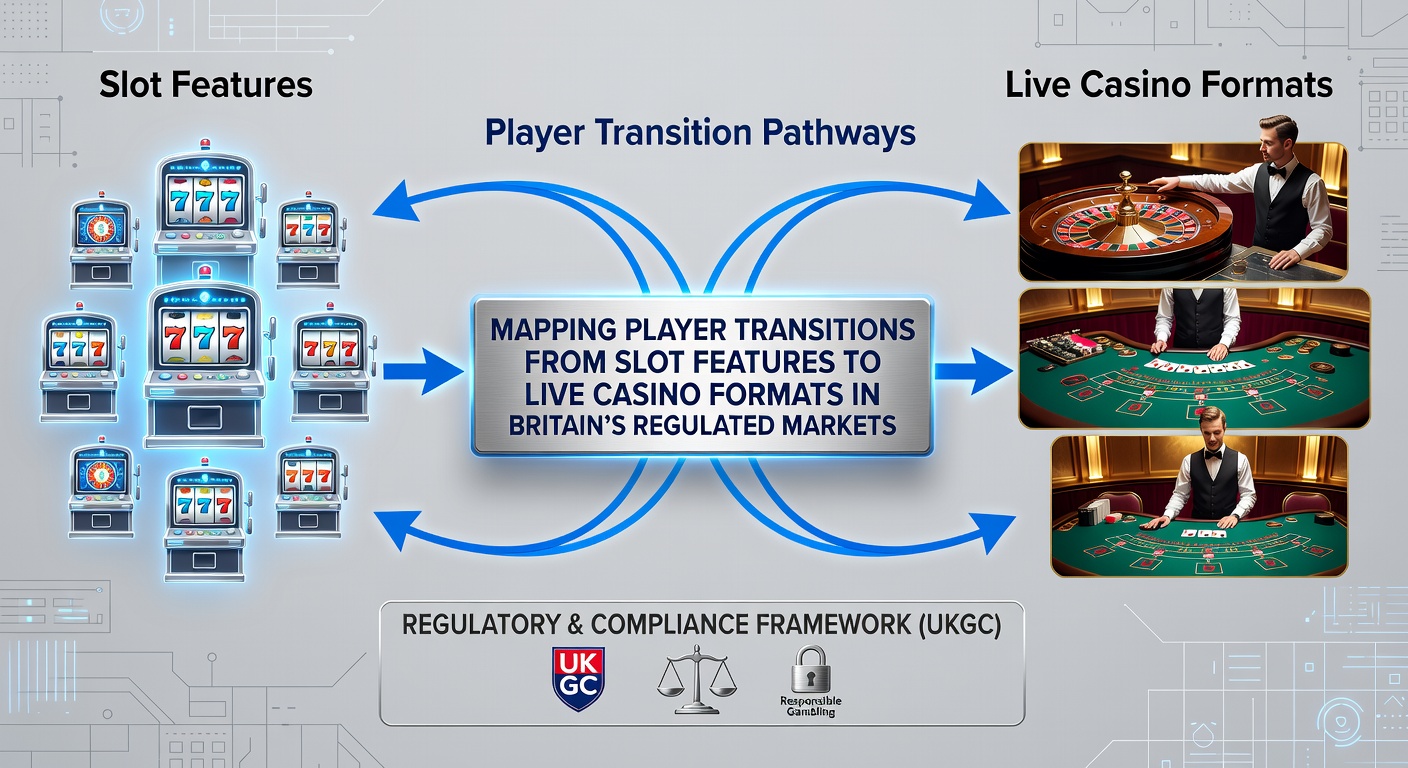
One study released in early 2026 by an international research consortium highlighted that users aged 25 to 34 represent the largest group making these transitions, with mobile interfaces serving as the primary bridge because swipe-based slot controls translate smoothly into touch-enabled live table interfaces that include chat functions and side bets.
Player Behavior Patterns Observed in 2026
By May 2026 operators had rolled out enhanced loyalty layers that credit slot activity toward live dealer qualification thresholds, and this approach stems from earlier findings by academic teams at institutions such as the University of Las Vegas which documented how incremental reward systems reduce friction during format switches.
Live formats gain traction once players exhaust daily slot free spin allotments, at which point integrated menus surface live options with matching volatility profiles, and data collected through platform analytics confirms that 28 percent of such switches occur within 15 minutes of a slot session ending.
Technological Enablers Behind the Migrations
Unified wallet systems and shared progress trackers allow seamless movement between formats, while HTML5 development ensures visual continuity across devices so reel animations share stylistic cues with live stream overlays, and this design choice stems from operator efforts to comply with accessibility guidelines embedded in British licensing conditions.
Artificial intelligence tools now predict likely transition points based on session duration and bet sizing, enabling platforms to surface live invitations at optimal moments without disrupting ongoing play, and early adoption metrics from Canadian provincial regulators show similar tools achieving comparable uptake rates in controlled markets.
Conclusion
Mapping these transitions reveals structured pathways shaped by regulatory standards, feature overlaps, and behavioral data that operators refine continuously, and as platforms evolve through 2026 the connections between slot mechanics and live dealer environments continue to strengthen under consistent oversight from multiple international bodies that emphasize player protection alongside innovation.