Charting the Steady Rise of Tiered Reward Systems Bridging Reel Features and Live Dealer Formats Across Licensed Online Platforms

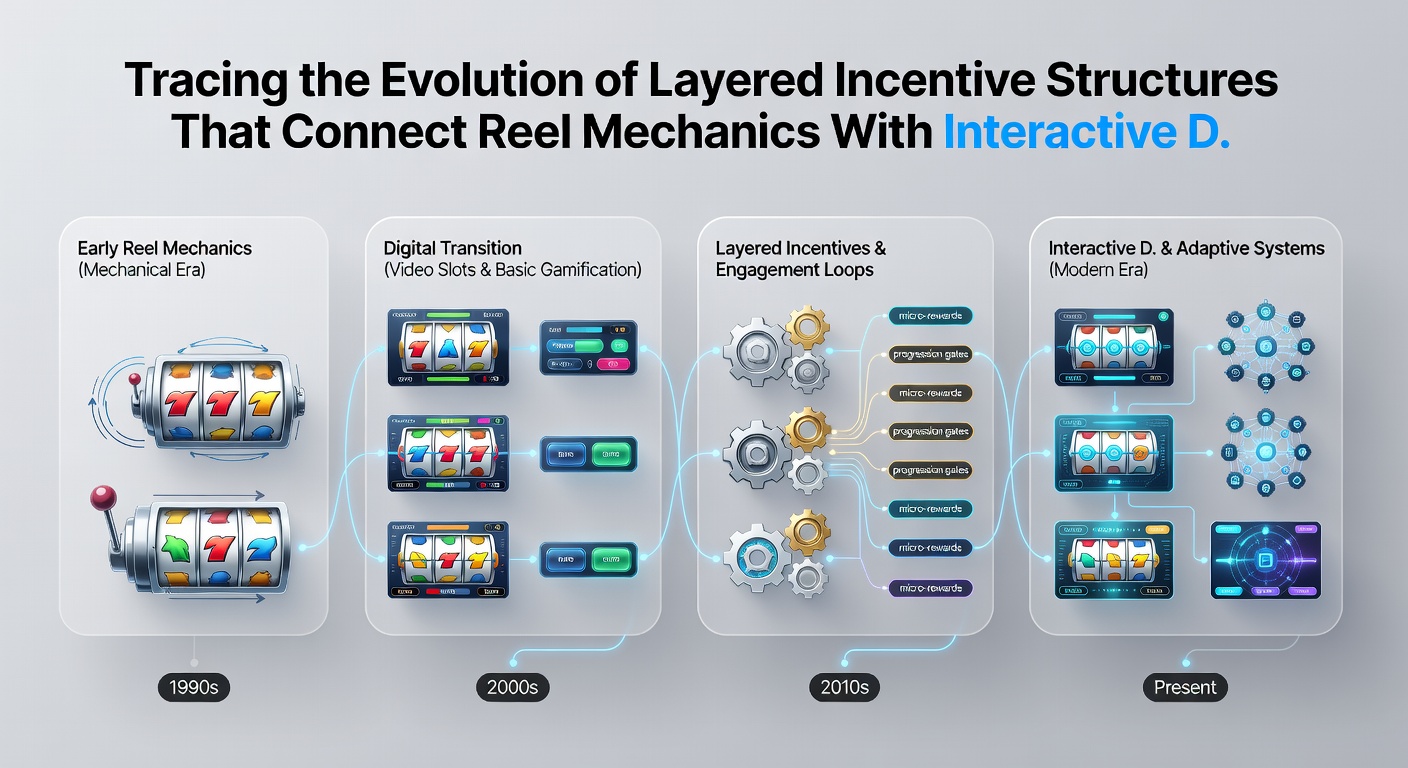
Layered incentive structures began to take shape in the early days of regulated digital venues when operators noticed players moving between reel-based machines and table options within single sessions, and data from industry reports showed that connecting these experiences through progressive rewards increased session lengths without raising risk profiles.
Early Foundations in Digital Gambling Environments
Initial designs relied on straightforward point accumulation from reel spins that could unlock basic access to dealer-led rounds, yet observers note these systems quickly expanded because operators tracked how players responded to visible progression paths that felt achievable over multiple plays, and figures from market analyses indicate steady adoption across North American and European platforms by the mid-2010s.
Regulators in several jurisdictions encouraged transparent mechanics so participants could see exactly how reel outcomes fed into dealer session credits, while research from academic studies on player behavior confirmed that such clarity helped maintain compliance and reduced disputes over reward eligibility.
Expansion Through Multi-Stage Progressions
As platforms matured, developers introduced additional layers where reel achievements granted entry tickets to interactive dealer tables, and these tiers often included intermediate milestones like mini-challenges that combined elements from both formats, according to documentation from gaming technology providers. What's interesting here is how the connections grew more intricate over time, with operators using data analytics to adjust thresholds so that players reached dealer experiences at natural intervals rather than through forced jumps.
One notable development occurred when certain venues began offering shared leaderboards that tallied performance across reel and dealer activities, allowing accumulated incentives to influence both prize pools and table seating priorities simultaneously, and external data from the New Jersey Division of Gaming Enforcement highlights consistent growth in cross-format participation metrics during this period.
Technological Enablers and Regulatory Alignment
Real-time tracking software played a central role because it allowed instant updates to player accounts as reel results translated into dealer access credits, whereas earlier manual systems had created delays that frustrated users and complicated oversight. Researchers discovered that embedding these calculations directly into game engines streamlined everything while preserving audit trails required by licensing bodies.
In May 2026 several platforms introduced enhanced synchronization tools that let players preview upcoming dealer rounds based on current reel progress, and reports from industry associations indicate these updates aligned with broader efforts to improve transparency across digital venues in multiple regions.
Global Variations in Implementation
Different markets approached the layering differently, with some emphasizing visual progress maps that displayed reel-to-dealer pathways clearly on screen while others focused on automated reward transfers that occurred seamlessly during live sessions, according to comparative studies published by international gaming research groups. The reality is that local rules shaped how deeply the incentives could interconnect without crossing into restricted territory.
Canadian provincial regulators, for instance, required detailed disclosures on how reel mechanics contributed to dealer bonuses, and similar standards emerged in Australian oversight frameworks that stressed player education around layered structures.
Conclusion
The evolution continues as new integrations test how far these connections can extend while staying within established guidelines, and ongoing data collection from licensed operators provides the foundation for refinements that keep both reel and dealer experiences linked through carefully constructed reward layers. Those who monitor these developments observe steady innovation balanced against compliance needs that protect participants across regulated digital venues.