Integrated Reward Mechanisms in Britain's Digital Casino Platforms
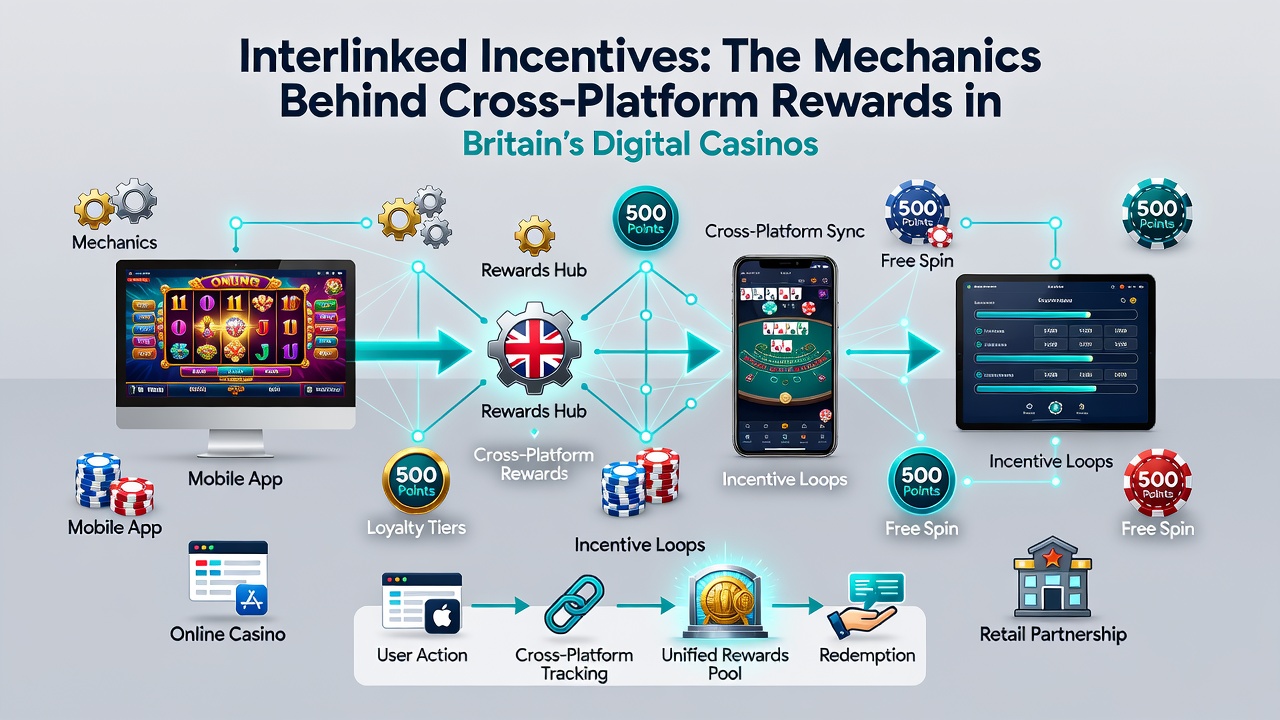
Britain's digital casinos operate sophisticated reward frameworks where player activity in one game category directly influences incentives available in others, creating fluid progression paths that move participants from initial spins into broader gaming options. These structures rely on unified account tracking systems that log participation metrics across slots, table games, and live dealer environments, then convert accumulated data into transferable credits or multipliers. Data from industry reports indicates such integration allows operators to maintain consistent engagement levels while adapting to regulatory expectations that take effect in July 2026, when updated compliance standards for arcade and casino equipment will require clearer documentation of how rewards flow between platforms.
Core mechanics begin with a centralized loyalty ledger that records every wager, win, and session duration regardless of game type. Points generated during slot play, for instance, feed into a shared pool accessible for table game bonuses or live dealer entry credits. This linkage operates through algorithmic rulesets that assign weighted values to different activities, ensuring slot-focused players receive pathways toward roulette or blackjack without separate registration steps. Observers note the process mirrors enterprise resource planning tools used in other sectors, where one department's output becomes another's input through automated transfers.
Technical Architecture Supporting Cross-Game Transfers
Behind each seamless transition sits a database architecture that synchronizes real-time activity across mobile apps, desktop interfaces, and in-venue terminals. When a player completes a slot bonus round, the system calculates remaining eligibility and pushes corresponding offers to the live dealer lobby or virtual table section. These calculations incorporate variables such as total stake volume, game volatility ratings, and time since last activity, producing personalized incentives that appear automatically upon switching categories. Research conducted by the Australian Gambling Research Centre shows similar architectures in other jurisdictions reduce player drop-off rates by maintaining momentum across different game formats.
Security protocols verify each transfer against responsible gambling parameters, pausing or capping rewards when predefined thresholds are reached. Encryption standards protect the data streams that carry point balances between game servers, while audit trails allow external reviewers to trace how any single incentive originated and where it was redeemed. Such measures become particularly relevant as equipment standards evolve ahead of the July 2026 deadline, requiring operators to demonstrate full traceability in their cross-platform systems.
Player Progression Pathways and Conversion Rules
Participants typically advance through tiered levels where initial slot engagement unlocks entry-level table game credits, and sustained play across categories grants access to higher-value live dealer jackpots. Conversion rates vary by operator but generally follow published formulas that translate one hundred slot points into a set number of table game chips or free spins on a different title. These formulas appear in account dashboards so players can preview upcoming rewards before committing additional stakes. Case examples from Canadian provincial gaming reports illustrate how transparent conversion tables encourage continued participation by removing uncertainty about future benefits.
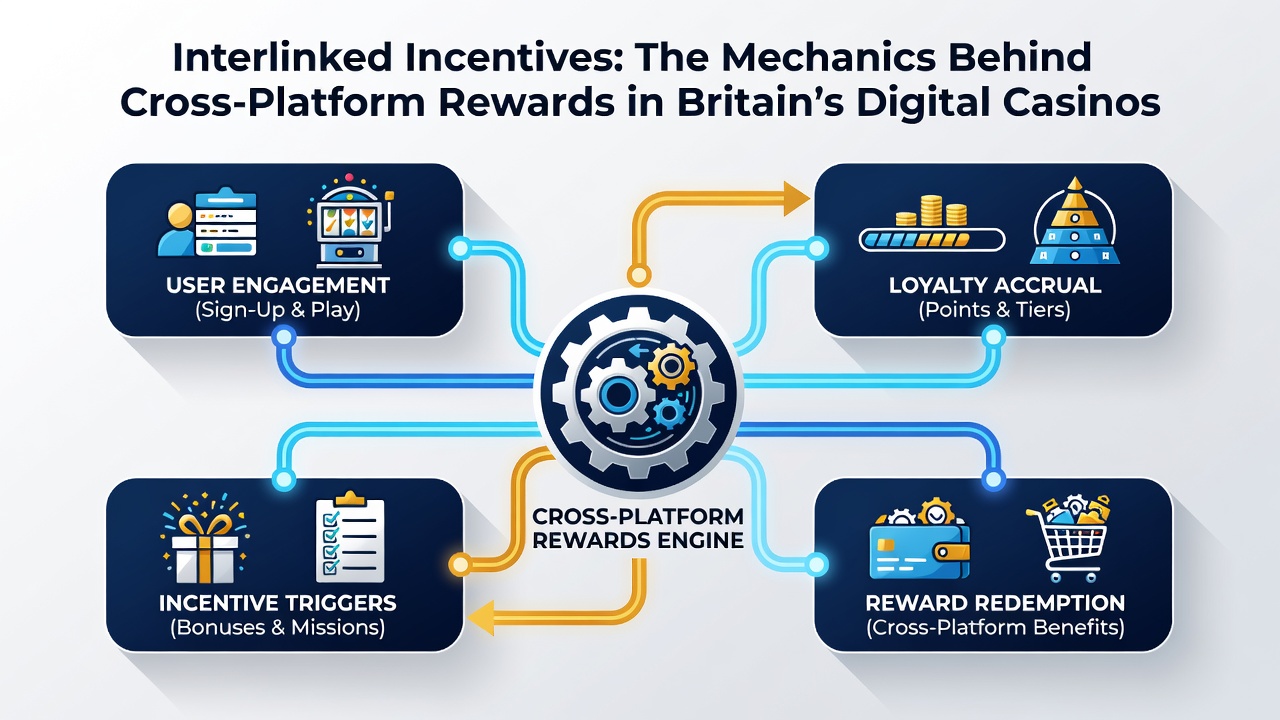
Seasonal promotions occasionally accelerate these pathways by offering double-point events that apply simultaneously across multiple game types. A player completing a mobile slot challenge might receive an immediate table game voucher plus an enhanced live dealer multiplier, all credited through the same ledger. Such events rely on coordinated server updates that activate at predetermined times, ensuring every eligible account receives identical treatment regardless of device or location.
Regulatory Context and July 2026 Implications
Upcoming equipment and operational standards scheduled for July 2026 will require operators to maintain detailed logs of how interlinked incentives comply with fairness and transparency rules. Systems must demonstrate that reward calculations remain consistent whether a player begins on slots or tables, and that no hidden restrictions prevent transfers between categories. Industry associations such as the European Gaming and Betting Association have published guidance documents outlining best practices for documenting these flows, helping operators prepare documentation ahead of the deadline.
Operators have responded by upgrading their backend systems to include exportable compliance reports that detail every point conversion executed over a given period. These reports feed into external audits that verify adherence to the new framework without disrupting player experience. Figures released by the Victorian Responsible Gambling Foundation indicate jurisdictions with similar reporting requirements experience measurable improvements in player trust metrics over time.
Conclusion
Cross-platform reward systems in Britain's digital casinos function through unified tracking ledgers, weighted conversion algorithms, adn synchronized server updates that move incentives fluidly between slots, tables, and live dealer formats. As the July 2026 compliance window approaches, these mechanisms continue to evolve with added traceability features while preserving the seamless transitions players encounter during regular sessions. The underlying architecture supports both operational efficiency and regulatory alignment, allowing activity in one area to generate opportunities elsewhere within clearly defined parameters.