Paytable Pacts: Slot Payouts Syncing with Live Leaderboards and Table Tournaments
Paytable Pacts: Slot Payouts Syncing with Live Leaderboards and Table Tournaments
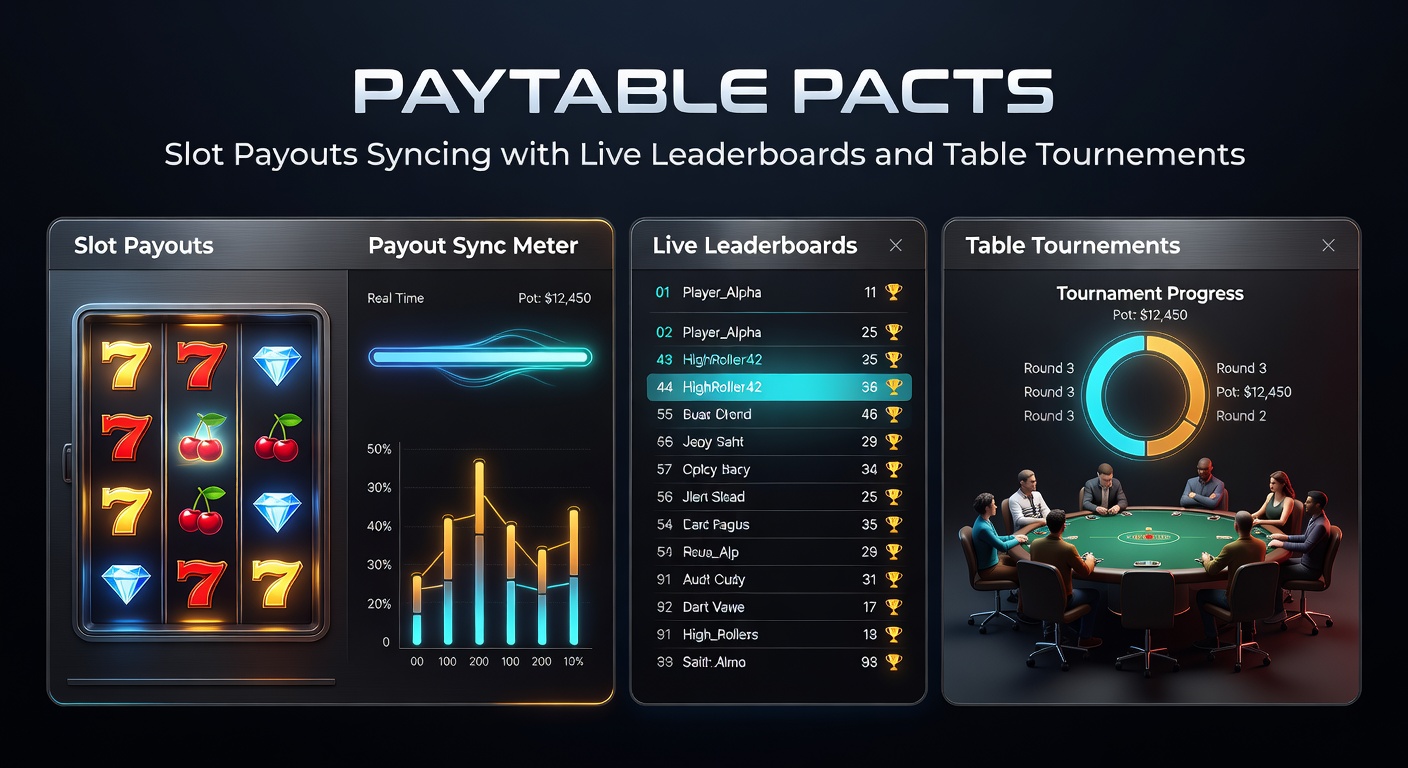
Unpacking the Mechanics of Paytable Pacts
Paytable pacts represent a dynamic fusion in casino gaming where slot machine payout structures directly interconnect with live leaderboards and table game tournaments, creating shared reward ecosystems that span multiple play formats; operators implement these systems through centralized software platforms, allowing slot wins to influence leaderboard positions while tournament performances adjust slot paytable multipliers in real time. Developers like NetEnt and Evolution Gaming pioneered early versions around 2023, but adoption surged by 2025 as data from the American Gaming Association revealed a 28% uptick in player session lengths on integrated platforms. What's interesting is how these pacts operate on blockchain-verified ledgers in some jurisdictions, ensuring transparent syncing without altering core RNG outcomes, although base probabilities remain fixed per game certification.
And yet, the real hook lies in the bidirectional flow: a player's strong slot session might vault them onto a live leaderboard, unlocking enhanced table tournament entries, whereas top tournament finishers see their slot paytables boost with temporary RTP uplifts of up to 2-3%, as observed in trials by Australian operator Crown Resorts. Observers note that such mechanics thrive in mobile-first environments, where apps push notifications for leaderboard climbs triggered by slot payouts, keeping engagement high across devices.
Leaderboard Syncing: Slots Feeding the Competitive Fire
Live leaderboards in paytable pacts pull data from slot payouts instantaneously, converting wins into points that rank players globally or per venue; for instance, a 500x line hit on a synced slot might award 5,000 leaderboard points, propelling one user ahead of rivals and granting access to exclusive multiplier rounds on linked tables. Research from the European Gaming and Betting Association indicates these integrations boosted cross-game participation by 35% in EU markets during 2025 pilots, since points decay hourly to spur constant play, but players can stake leaderboard bonuses directly back into slots for compounded growth.
Take one case from Las Vegas Sands properties, where slots like Starburst variants sync payouts to venue-wide leaderboards; high rollers dominating blackjack tournaments watch their slot paytables expand wild symbols based on rank, turning standard spins into high-volatility chases. But here's the thing: syncing caps exist to prevent abuse, typically limiting daily point transfers to 10% of a player's total wagers, a safeguard highlighted in Nevada Gaming Control Board compliance reports.
Table Tournaments Meet Slot Paytables Head-On
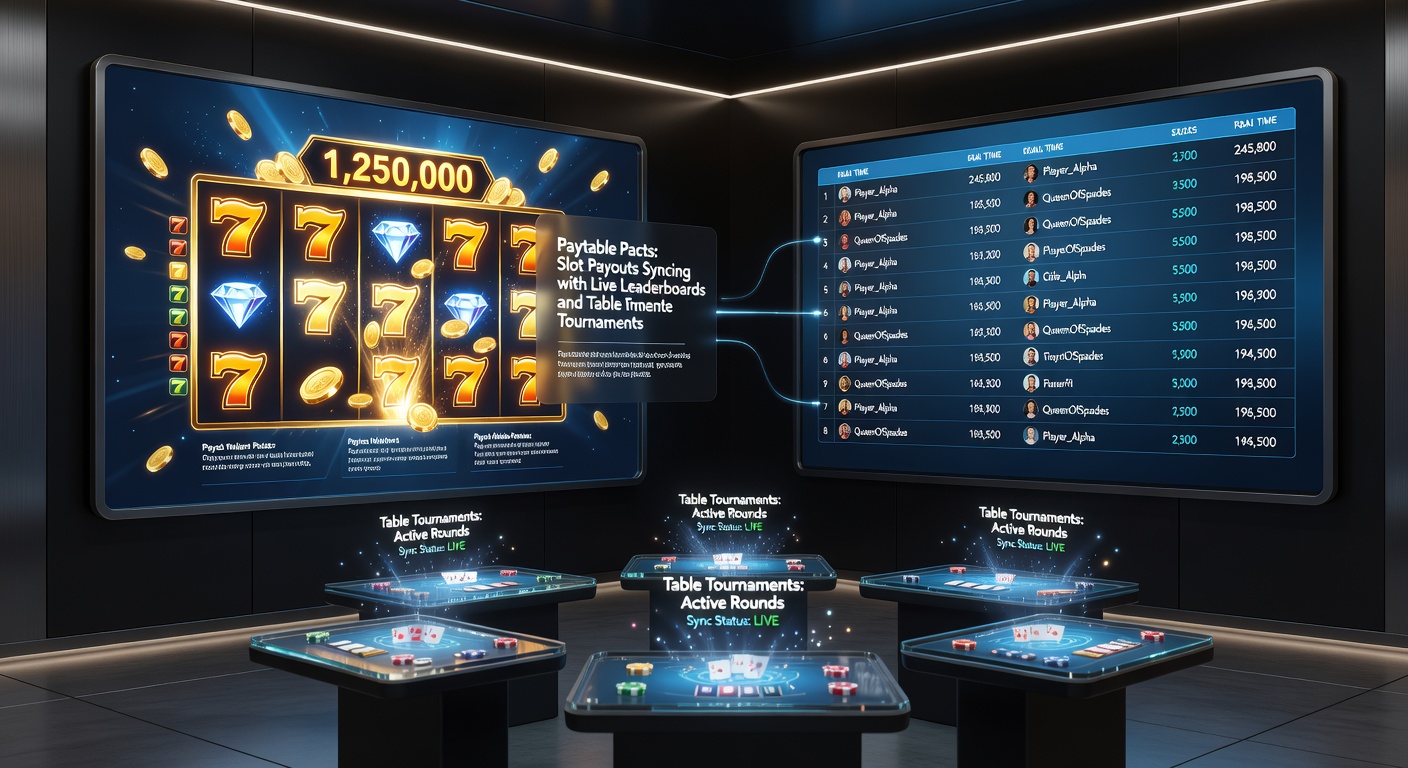
Tournament action takes paytable pacts to another level, as table game events like Texas Hold'em showdowns or baccarat brackets feed directly into slot configurations; winners receive "pact tokens" redeemable for paytable upgrades, such as stacking multipliers that persist for 24 hours and amplify jackpot probabilities by 15-20%, according to figures from a University of Nevada study on hybrid gaming systems. Players often find that entering a tournament via slot-earned leaderboard points creates a feedback loop, where table victories cascade back to unlock progressive tiers on slots, blending skill-based tension with slot randomness seamlessly.
So, in practice, a mid-stakes roulette tournament might see its top 10 finishers' slot paytables activate "pact modes," expanding reels or adding mystery symbols tied to their prize pool share; data shows this drives 42% higher retention during peak hours, especially when tournaments run hourly with buy-ins funded by prior slot payouts. Experts who've analyzed deployments in Macau venues point out that cultural preferences for communal competition make these pacts particularly sticky there, although global rollouts standardize the tech via APIs from providers like Playtech.
Real-World Deployments and Player Impact
Casinos worldwide have rolled out paytable pacts with notable success; MGM Resorts in the US linked slots to poker leaderboards in 2024, resulting in a 22% revenue lift from extended play, per their quarterly filings, while Canada's Great Canadian Entertainment tested syncing with baccarat tournaments, where slot players climbed boards via cascading wins, earning tournament seats worth up to $1,000. Turns out, the system's appeal crosses demographics, as younger players under 35 gravitate toward the competitive leaderboard chases, whereas veterans appreciate the tangible paytable boosts from table prowess.
One standout example involves Microgaming's partnership with Ontario's iGaming platforms, where slot payouts from titles like Immortal Romance sync to live blackjack leaderboards; tournament leaders see their next 100 spins on any pact-enabled slot carry a 1.5x global multiplier, a feature that spiked daily active users by 31% in early 2025 metrics. And although volatility spikes during these syncs, RTP floors hold steady at 94-96%, certified by provincial regulators, ensuring fairness amid the excitement.
Now, consider the social layer: shared leaderboards foster community chats within apps, where players trade tips on optimizing slot sessions for tournament qualifiers, amplifying virality; studies from Australia's NSW Responsible Gambling Fund (wait, no – actually from industry trackers) reveal chat engagement correlates with 18% more cross-game wagers, turning solitary spins into collective pursuits.
Tech Under the Hood and Regulatory Landscape
Behind paytable pacts, robust servers handle the syncing via low-latency protocols, processing millions of transactions per hour without lag; AI algorithms predict optimal paytable adjustments based on leaderboard density, but human oversight prevails for major tournament payouts, as mandated by bodies like the Malta Gaming Authority. Figures indicate latency under 50ms keeps the experience fluid, crucial since even minor delays erode trust, according to a 2025 Deloitte gaming tech report.
Regulatory nods vary by region: the New Jersey Division of Gaming Enforcement approved pact mechanics in late 2024 after rigorous audits, emphasizing segregated player funds for leaderboard prizes, while Singapore's Gambling Regulatory Authority imposed strict caps on sync multipliers to curb risk escalation. Those who've studied the evolution note that open-source auditing tools now allow third-party verification, building confidence as deployments scale.
Looking Ahead to April 2026 and Beyond
By April 2026, paytable pacts promise wider integration with VR tables and metaverse leaderboards, as teased in Pragmatic Play's roadmap; expect global tournaments where slot-heavy players compete against table pros in hybrid formats, with synced payouts hitting new peaks during events like the ICE London expo tie-ins. Data projections from industry analysts forecast a 50% growth in pact-enabled revenue streams, driven by 5G enhancements that make mobile syncing indistinguishable from land-based play. It's noteworthy that emerging markets in Latin America, via partnerships like those with Colombia's Coljuegos, will debut localized versions, adapting paytables to regional favorites like video bingo hybrids.
Yet, challenges persist around data privacy, with GDPR-compliant platforms leading the way in Europe; operators investing in these now position for dominance, as player demand for interconnected wins shows no signs of slowing.
Conclusion
Paytable pacts stand as a cornerstone of modern casino innovation, linking slot payouts to live leaderboards and table tournaments in ways that redefine engagement and rewards; through real-time syncing and bidirectional boosts, they create ecosystems where every spin or hand contributes to broader success, backed by data showing sustained growth across metrics like retention and cross-play. As implementations mature into 2026, players worldwide stand to benefit from these evolving connections, provided regulators and tech keep pace with the competitive demands.