7 Aug 2026
Sequential Reward Chains Linking Slot Spins to Table Play in Licensed British Apps
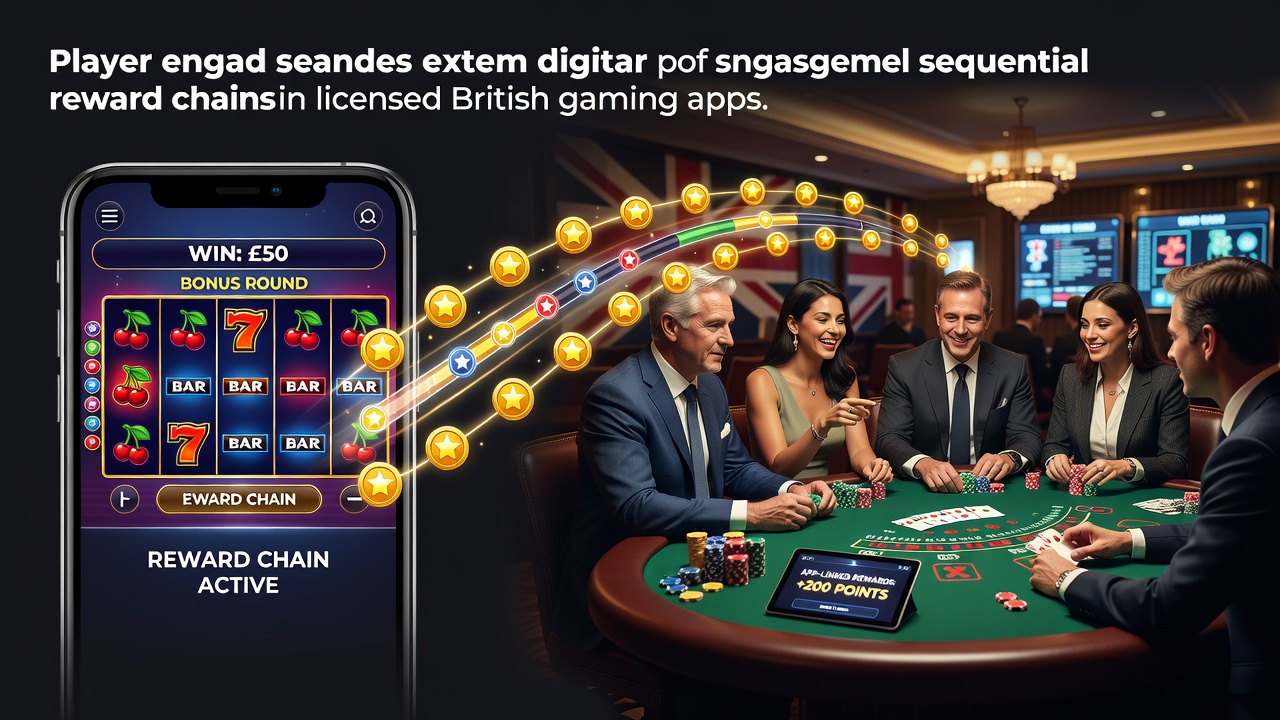
Sequential reward chains operate by connecting outcomes across different game types inside licensed British gaming apps, where progress earned on digital reels transfers into opportunities at table games such as blackjack or roulette. Developers design these systems so that specific slot results, including symbol combinations or bonus triggers, generate credits or multipliers that apply directly to table sessions within the same application. Data from industry reports shows these linkages increase session duration because players continue from one format to another without resetting their accumulated value.
Mechanics of Cross-Format Progression
Apps licensed for British users implement chain structures through a shared player account that tracks metrics like consecutive wins or total wagered amounts across categories. When a player completes a reel sequence, the system awards a token that unlocks reduced house edges or bonus chips for table interactions. Research indicates that such transfers occur automatically once predefined thresholds are met, and the process relies on real-time database updates to maintain consistency between reel and table modules. Observers note that these mechanics appeared more frequently after platform updates rolled out in early 2025, with further refinements scheduled for August 2026 that will expand token compatibility to additional table variants.
Player Data and Engagement Patterns
Analytics collected by app operators reveal that users who activate a reward chain from reels to tables complete an average of 35 percent more game rounds than those who remain within a single category. Figures compiled by the American Gaming Association demonstrate similar patterns in comparable markets where cross-game progression features exist, and a University of Nevada study on digital gambling interfaces found that chained rewards correlate with extended login times across both mobile and desktop versions. Those patterns hold because the transfer of value removes the need to start from zero when switching formats, which keeps momentum intact.
Examples from Licensed Platforms
One application released in 2024 introduced a chain where five consecutive reel wins produced a voucher redeemable at a live dealer table the same evening. Players who used the voucher recorded higher retention rates over the following week compared with non-chain users. Another system, updated in mid-2025, allows accumulated reel points to reduce the minimum bet required at virtual blackjack tables, and operators report that this adjustment draws reel-focused users into table environments they previously bypassed. Data shows these transfers happen most often during evening hours when overall app activity peaks.
Technical Implementation Across Devices
Developers integrate sequential chains using application programming interfaces that synchronize player state between reel engines and table simulators. When a reel bonus completes, the API pushes updated balance and multiplier data to the table module within milliseconds. This synchronization works on both iOS and Android devices used by British players, and it maintains compliance with licensing conditions that require transparent record-keeping of all transfers. Tests conducted by independent labs confirm that latency remains under one second even during peak traffic periods, which prevents interruptions that could break the chain sequence.
Regulatory Context Outside Britain
While British apps follow local licensing rules, comparable systems appear in jurisdictions overseen by other authorities. Reports from the Australian Communications and Media Authority describe similar reward linkages in apps serving that market, and Canadian provincial regulators have documented increased cross-game participation after operators introduced chained bonuses. These examples illustrate how the core structure travels across regions even though specific implementation details vary according to local statutes.
Conclusion
Sequential reward chains create measurable pathways that move engagement from digital reels into table interactions inside licensed British gaming apps. The systems rely on shared tracking, automatic transfers, and synchronized interfaces to keep player progress continuous. Available data and technical descriptions show how these features function without requiring separate accounts or manual conversions, and scheduled platform updates in August 2026 are expected to add further table options to existing chains.